
Getting Started with Backcountry Hiking in Canada
Welcome to the world of backcountry hiking in Canada's magnificent national parks. Whether you're planning your first overnight trip or transitioning from day hikes to multi-day adventures, this guide will help you prepare for the unique challenges and rewards of exploring Banff, Jasper, and Gros Morne's wilderness areas.
The Canadian backcountry offers some of the most pristine wilderness experiences on the planet, but it also demands respect, preparation, and knowledge. This guide focuses on the essential skills and gear you'll need, with specific considerations for the mountain environments of Banff and Jasper, and the coastal terrain of Gros Morne.
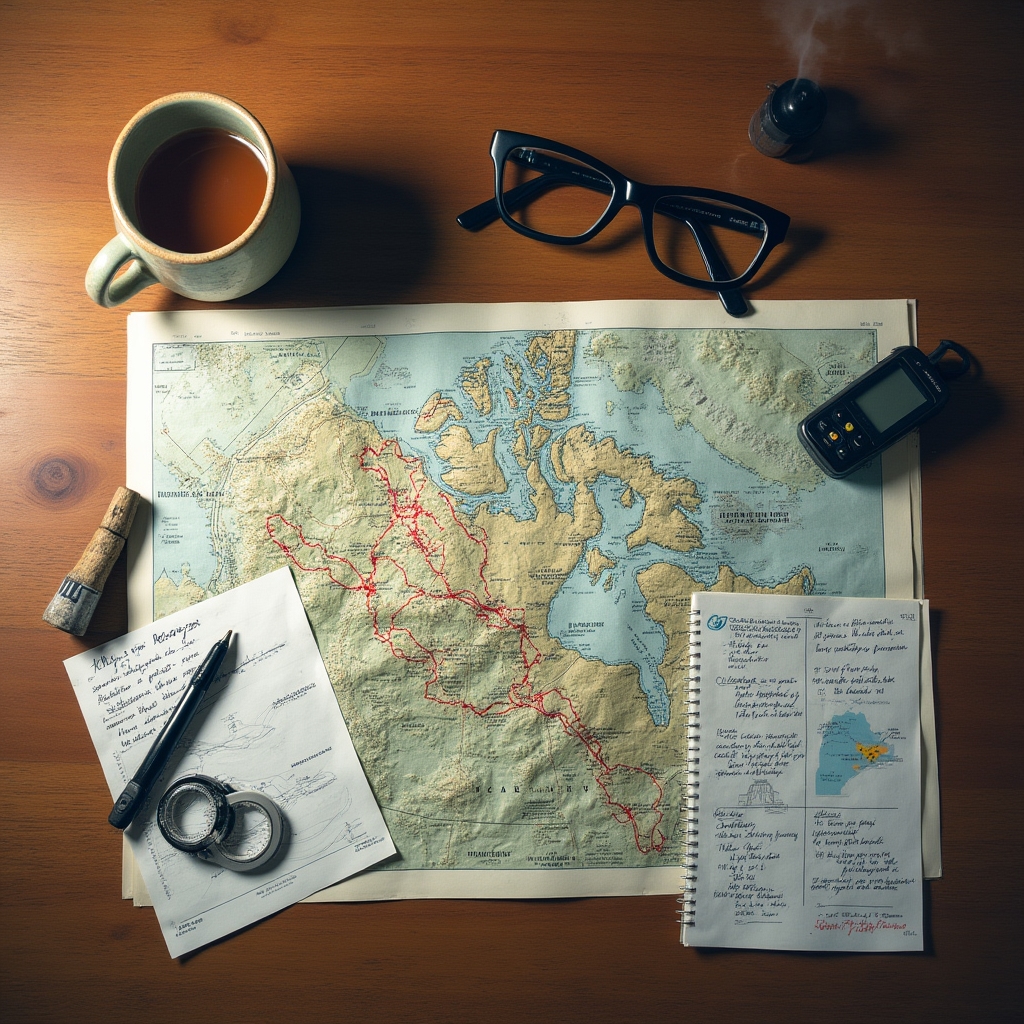
Remember that backcountry travel is inherently more challenging than frontcountry camping or day hiking. You'll be far from immediate assistance, carrying everything you need, and navigating terrain that may be unmarked or sparsely maintained. However, with proper preparation, these challenges become manageable, and the rewards—solitude, untouched landscapes, wildlife encounters, and personal growth—are incomparable.
Essential Gear & Planning for Canadian Backcountry
The Core Gear List
Backcountry hiking requires careful gear selection that balances weight, functionality, and safety. The Canadian mountain and coastal environments present unique challenges that influence your gear choices. Here's what you'll need:
Shelter & Sleep System
- Tent: 3-season with full rainfly and robust pole structure to withstand mountain winds
- Sleeping bag: Rated at least 10°C below expected nighttime temperatures (even in summer, mountain temperatures can drop below freezing)
- Sleeping pad: Insulated with R-value of at least 3 for mountain environments
- Footprint: To protect tent floor from rough terrain and moisture
Clothing Layers
- Base layers: Synthetic or merino wool (avoid cotton)
- Mid-insulating layer: Fleece or lightweight down
- Waterproof shell: Fully seam-sealed rain jacket and pants
- Insulated jacket: Down or synthetic for camp and emergencies
- Hiking pants: Quick-dry, convertible recommended
- Hat: Both sun protection and insulating beanie
- Gloves: Lightweight and waterproof shell
Navigation & Safety
- Topographic map: Paper maps of your specific route (even if using digital)
- Compass: Know how to use it before departing
- GPS device: Optional but recommended for complex terrain
- Headlamp: Plus extra batteries
- First aid kit: Tailored to wilderness settings
- Emergency communication: Satellite messenger or PLB
- Bear spray: Mandatory in Banff and Jasper, recommended in Gros Morne
- Bear-resistant food container: Required in many areas
Food & Water
- Water filter/purifier: All water should be treated
- Water bottles/reservoir: Capacity for at least 2-3 liters
- Food: High-calorie, lightweight options (freeze-dried meals, nuts, energy bars)
- Stove & fuel: Reliable in various weather conditions
- Cook set: Pot, utensils, cup/bowl
- Food storage: Bear canister or stuff sack for hanging
- Garbage bags: Pack out all trash (double-bag to prevent odors)
Park-Specific Gear Considerations
Banff National Park
- Bear spray: Mandatory and know how to use it
- Microspikes: For early season snow patches on high passes
- Gaiters: For stream crossings and muddy trails
- Mosquito head net: For July/August, especially in valley bottoms
Jasper National Park
- Bear spray: Mandatory
- Trekking poles: Highly recommended for steep terrain
- Rain gear: Afternoon thunderstorms common in summer
- Water shoes: Multiple creek crossings on many routes
Gros Morne National Park
- Fog-ready navigation tools: Compass and map skills essential
- Waterproof gear: Coastal weather changes rapidly
- Sturdy footwear: For rocky coastal terrain
- Wind-resistant shelter: Exposed campsites common
Printable Gear Checklist
Use this comprehensive checklist to ensure you don't forget any essential items for your backcountry trip:
Backcountry Gear Checklist
Shelter & Sleep
- □ Tent
- □ Rainfly
- □ Tent stakes
- □ Footprint
- □ Sleeping bag
- □ Sleeping pad
- □ Pillow (optional)
Clothing
- □ Moisture-wicking underwear
- □ Base layer top & bottom
- □ Hiking pants
- □ Hiking shirts
- □ Insulating mid-layer
- □ Waterproof jacket
- □ Waterproof pants
- □ Insulated jacket
- □ Hiking socks (3+ pairs)
- □ Sun hat
- □ Warm beanie
- □ Gloves
- □ Gaiters
Kitchen & Water
- □ Stove
- □ Fuel
- □ Cookpot
- □ Cup/bowl
- □ Utensils
- □ Food (+ 1 day extra)
- □ Water bottles/reservoir
- □ Water filter/purifier
- □ Bear canister/hang kit
- □ Biodegradable soap
- □ Garbage bags
Safety & Navigation
- □ Map
- □ Compass
- □ GPS/Phone
- □ First aid kit
- □ Headlamp
- □ Extra batteries
- □ Bear spray
- □ Whistle
- □ Knife/multi-tool
- □ Fire starter
- □ Emergency shelter
- □ Satellite communicator
- □ ID & permits
Print this checklist and check off items as you pack them. Always check park-specific requirements before your trip.
Route Planning, Permits & Safety Briefing
Planning Your Route
Thorough route planning is the foundation of a successful and safe backcountry experience. Canadian national parks offer routes ranging from well-marked trails to challenging off-trail traverses. Here's how to plan effectively:
Reading Topographic Maps
Topographic maps are essential tools for backcountry navigation, showing elevation changes, water sources, and terrain features. Key skills include:
- Understanding contour lines: Close lines indicate steep terrain, distant lines show flatter areas
- Identifying features: Ridges, valleys, saddles, and potential hazards
- Measuring distances: Using map scale to calculate realistic daily distances
- Planning bailout routes: Always identify emergency exit options
We recommend the National Resources Canada (NRCan) 1:50,000 topographic maps for detailed planning. Gem Trek maps offer excellent waterproof options for Banff and Jasper.
Assessing Trail Reports
Recent trail conditions can dramatically affect your journey. Before departing, check:
- Official park websites: For trail closures and wildlife warnings
- TrailKindred reports: Our community's recent firsthand experiences
- Visitor center updates: Always stop in for the most current information
- Local outfitter shops: Often have valuable insights from guides
Pay special attention to reports of washouts, bridge conditions, difficult river crossings, and recent bear activity in your planned area.
Weather Windows & Seasonal Considerations
Mountain weather is notoriously changeable and varies significantly by season:
- Early Season (May-June): Snow at higher elevations, high water in streams, fewer crowds, wildlife more active
- Peak Season (July-August): Most reliable weather, all facilities open, highest visitation, peak mosquito activity
- Late Season (September-October): Fall colors, fewer people, potential early snow, shorter days
Check multiple weather forecasts including Environment Canada's mountain forecasts, which provide altitude-specific predictions. Plan conservatively - if the forecast shows a 30% chance of thunderstorms, prepare as if they will occur.
Avalanche Awareness
In winter and spring (sometimes even early summer), avalanche risk is a serious consideration in the Canadian Rockies:
- Check avalanche bulletins: Avalanche Canada provides detailed forecasts
- Identify hazard zones: Steep slopes, gullies, and areas below cornices
- Proper equipment: Transceiver, probe, and shovel are essential for winter/spring travel
- Training: Consider an Avalanche Safety Training (AST) course before winter/spring backcountry travel
Even in summer, snow can persist on high mountain passes in Banff and Jasper. These remnant snowfields can slide and should be approached with caution.
Permits & Regulations
All overnight backcountry trips in Canadian national parks require permits, and each park has specific regulations designed to protect both visitors and the environment.
Banff National Park
- Reservation window: Opens January for the entire year
- Booking system: Parks Canada Reservation Service
- Popular routes: Egypt Lake, Lake Minnewanka, Skoki Loop book within minutes of opening
- Random camping: Not permitted; must use designated sites
- Bear canisters: Required in many areas (check specific trail requirements)
Tip: Lake O'Hara (technically in Yoho) requires a separate reservation system with extremely limited availability.
Jasper National Park
- Reservation window: Opens in January for the year
- Booking system: Parks Canada Reservation Service
- Popular routes: Skyline Trail, Tonquin Valley, Berg Lake (in adjacent Mount Robson)
- Wilderness passes: Required in addition to campsite reservations
- Campfires: Prohibited at most backcountry sites
Tip: Jasper has more options for last-minute permits than Banff, especially on weekdays and shoulder seasons.
Gros Morne National Park
- Reservation window: Opens in January
- Long Range Traverse: Requires wilderness travel experience and navigation test
- North Rim traverse: Also requires navigation skills assessment
- Green Gardens: More accessible backcountry option
- Coastal camping: Special regulations to protect sensitive environments
Tip: The Long Range Traverse has no marked trail and requires genuine navigation skills - not recommended for beginners.
Backcountry Campsite Booking
Securing backcountry campsites requires planning and sometimes flexibility:
- Book early: Popular routes fill within minutes of reservations opening
- Have backup dates: Flexibility with your timeline improves chances
- Check cancellations: Regularly check for openings as your date approaches
- Consider weekdays: Tuesday-Thursday typically have better availability
- Shoulder seasons: May-June and September-October offer easier booking
Reporting Your Itinerary
Safety in the backcountry begins with ensuring someone knows where you are and when to expect your return:
- Trip plan: Leave detailed itinerary with a responsible person
- Check in/out: Register at visitor centers when starting and completing trips
- Expected return: Establish a clear time when your contact should alert authorities
- Changes to plan: If possible, communicate any significant route changes
Sample Trip Plan Template
Use this template to create a comprehensive trip plan to leave with your emergency contact:
- Names and contact information of all group members
- Emergency contact for each group member
- Trip dates: Start and expected completion
- Vehicle information: Make, model, color, license plate, parking location
- Detailed itinerary: Routes, planned campsites for each night
- Equipment: Key safety gear, communication devices
- Experience level of group members
- Medical information: Relevant conditions, medications, allergies
- When to alert authorities: Specific time/date if not returned
Send a digital copy to your emergency contact and leave a paper copy with park staff if possible.
Have questions about planning your first backcountry trip? Our community members are here to help!
Contact Us