
Common Backcountry Mistakes & How to Avoid Them
Even the most experienced hikers make mistakes in the backcountry. The difference between a close call and a serious emergency often comes down to preparation, knowledge, and good decision-making. This guide draws from real incidents in Canadian national parks to help you avoid the most common pitfalls that lead to wilderness emergencies and environmental damage.
We've compiled these insights from park rangers, search and rescue teams, and our community members who have learned these lessons firsthand. By understanding these common mistakes, you'll be better equipped to enjoy the magnificent wilderness of Banff, Jasper, and Gros Morne safely and responsibly.
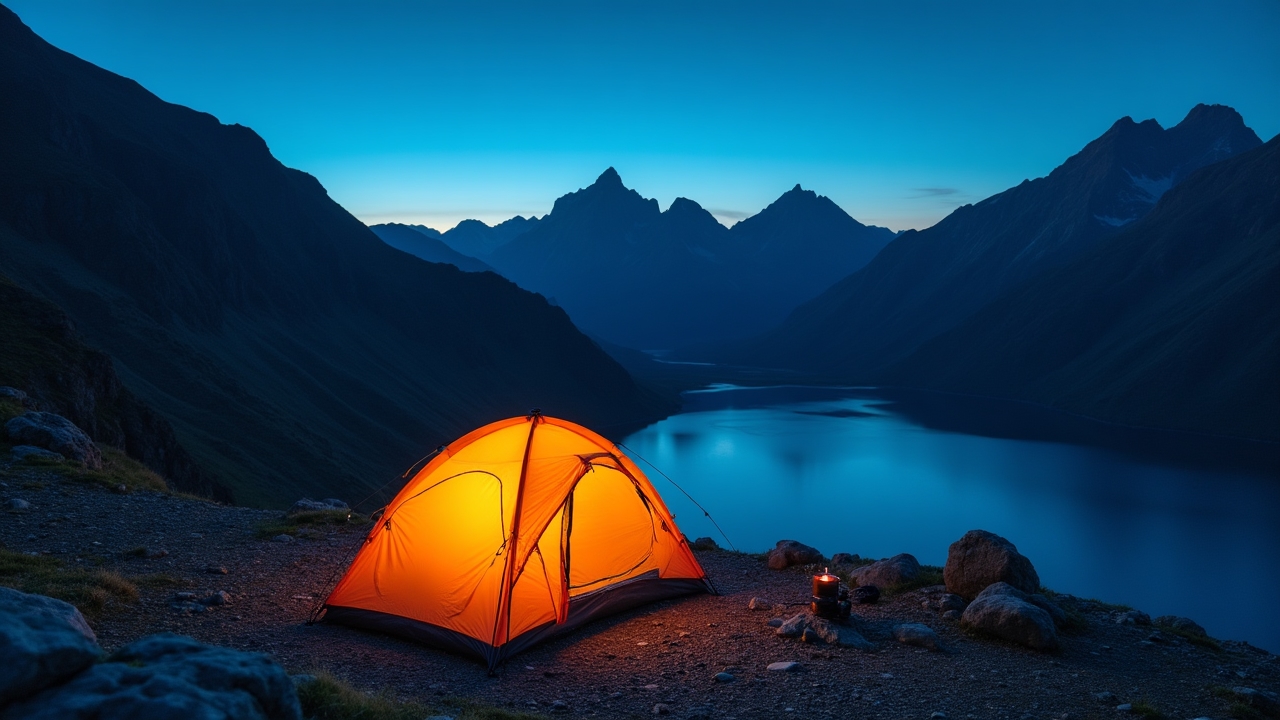
Remember that wilderness travel inherently involves risk, and conditions in the Canadian backcountry can change rapidly. The goal isn't to eliminate all risk—that's impossible—but to develop the skills, judgment, and humility to manage risks effectively while treading lightly on the land.
Planning & Preparation Mistakes
Weather Miscalculations
Mountain weather is notoriously changeable and often more extreme than visitors anticipate. Some of the most common weather-related mistakes include:
The Mistakes
- Ignoring forecasts: Proceeding with plans despite severe weather warnings
- Inadequate clothing: Lacking proper layers for sudden temperature drops
- Altitude confusion: Not understanding how elevation affects temperature and conditions
- Seasonal misjudgment: Underestimating shoulder season variability (snow in June, September storms)
Real Example: In July 2024, a hiking group on the Skyline Trail in Jasper continued over The Notch despite visible thunderstorm development. They were caught in lightning, hail, and near-freezing temperatures at 2,500m elevation. Two members developed hypothermia before they could descend to shelter.
Prevention Steps
- Check multiple forecasts: Environment Canada mountain forecasts, park visitor centers, and local weather services
- Understand mountain weather patterns: Afternoon thunderstorms are common in summer; early snow possible by late August
- Pack for conditions 10°C colder than forecast: Always bring rain gear and warm layers regardless of forecast
- Have a weather bailout plan: Know your escape routes if conditions deteriorate
- Learn to read weather signs: Building cumulus clouds, sudden wind shifts, and dropping pressure can indicate approaching storms
Water & Food Planning Errors
Dehydration and calorie deficits are common issues that can quickly turn a pleasant hike into a dangerous situation:
The Mistakes
- Insufficient water carrying capacity: Not bringing enough containers for dry stretches
- Relying on mapped water sources: Seasonal streams may be dry, especially in late summer
- Inadequate filtration: Drinking untreated water leading to giardia or cryptosporidium infection
- Underestimating caloric needs: Mountain hiking can burn 4,000-6,000 calories per day
- Poor food planning: Bringing heavy, low-energy foods or insufficient quantities
Real Example: A solo hiker on the Long Range Traverse in Gros Morne planned for 1.5 liters of water per day, not realizing that several marked water sources would be dry in August. They rationed water, became severely dehydrated, and had to be evacuated when they became disoriented.
Prevention Steps
- Capacity for 2-3 liters minimum: Bring containers to carry at least 3 liters for dry sections
- Research seasonal water availability: Check recent trail reports for current conditions
- Reliable water treatment: Carry a filter, purifier, or chemical treatment (and know how to use it)
- Plan 2,500-3,500 calories per day: High-fat, high-protein foods provide sustained energy
- Pack an extra day's food: Emergency rations can be lifesaving if delayed
- Consider hot weather needs: Electrolyte replacement becomes critical in heat
Navigation & Route Finding Failures
Getting lost or off-route is among the most common reasons for search and rescue operations in Canadian parks:
The Mistakes
- Over-reliance on technology: Depending solely on phone GPS without backup
- Inadequate map skills: Unable to relate topographic features to actual landscape
- Trail assumption: Expecting all routes to be well-marked and maintained
- Continuing in poor visibility: Pushing forward despite fog, darkness, or whiteout
- Following unofficial trails: Animal paths or social trails that lead to dangerous terrain
Real Example: In Banff National Park, a group relied solely on a smartphone GPS app to navigate the Sawback Range. When their phone battery died on day two, they had no paper map or compass. They followed what they thought was the trail but ended up in a dangerous drainage that required helicopter evacuation.
Prevention Steps
- Carry redundant navigation tools: Paper map, compass, GPS device, and downloaded offline maps
- Learn basic map and compass skills: Practice before your trip in familiar terrain
- Study your route thoroughly: Identify key landmarks, junctions, and potential confusion points
- Know when to stop: If unsure of location, stop, set up shelter if needed, and reassess
- Take a navigation course: Parks Canada and alpine clubs offer wilderness navigation training
- Regular position checks: Confirm your location frequently, especially at junctions
Distance & Terrain Miscalculations
Underestimating the difficulty of backcountry travel is a common error, especially for those transitioning from day hiking to multi-day trips:
The Mistakes
- Unrealistic daily distances: Planning frontcountry hiking speeds in backcountry terrain
- Ignoring elevation gain: Not accounting for how significantly climbing slows pace
- Underestimating pack weight effects: A full backpack drastically reduces speed and endurance
- Misreading trail descriptions: "Moderate" in guidebooks may mean different things to different hikers
- Not accounting for breaks and camp setup: These activities consume significant time
Real Example: A fit couple who regularly day-hiked 25km planned the 44km Skyline Trail as a two-day trip. They didn't account for 30lb packs, 1,380m of elevation gain, or time needed for camp setup. They reached their site well after dark, exhausted and making poor decisions due to fatigue.
Prevention Steps
- Use the 4-4-1 rule: Plan to cover 4km/hour on flat terrain, add 1 hour for every 400m of elevation gain, and add 1 hour for every 4 hours for breaks
- Conservative first-day planning: Start with shorter distances while adjusting to pack weight
- Test your fully loaded pack: Practice hikes with actual trip weight before departure
- Plan to reach camp 3 hours before sunset: Allow time for setup, cooking, and contingencies
- Research actual trail conditions: Recent trip reports provide realistic assessments
- Add 30% buffer time: Especially for challenging terrain or first backcountry trips
On-Trail Behaviour & Backcountry Ethics Mistakes
Wildlife Interaction Errors
Improper wildlife interactions are dangerous for both humans and animals. Canadian parks are home to bears, moose, elk, wolves, and cougars—all demanding proper respect and distance:
The Mistakes
- Approaching wildlife for photos: Getting too close to animals for "better shots"
- Improper food storage: Attracting animals to campsites with accessible food
- Hiking quietly: Moving silently through dense vegetation or near loud water
- Wearing headphones: Missing warning sounds or calls from wildlife
- Running from predators: Triggering chase instincts in bears or cougars
- Improper bear spray use: Not having it accessible or not knowing how to use it
Real Example: A hiking group in Jasper stored their food in stuff sacks hung only 1.5m off the ground. A black bear accessed their food overnight, becoming food-conditioned. The bear later approached other campers aggressively seeking food and had to be relocated by park officials.
Prevention Steps
- Maintain proper distances: Stay at least 100m from bears and wolves, 30m from other large mammals
- Proper food storage: Use bear canisters or hang food 4m high, 3m from trunk, 100m from camp
- Make noise in dense areas: Clap, sing, or talk loudly, especially near streams or in thick brush
- Keep ears clear: Remain alert to sounds of wildlife movement
- Know species-specific responses: Different strategies for bear vs. moose encounters
- Carry bear spray accessible: Not in your pack, but on your belt or shoulder strap
- Hike in groups when possible: Groups of 4+ rarely experience predator attacks
Wildlife Encounter Response Guide
Bear Encounters
- Stay calm, speak in firm voice
- Do not run (triggers chase instinct)
- Black bear: Stand your ground, make yourself look big
- Grizzly bear: Avoid eye contact, slowly back away
- If charged: Use bear spray when bear is within 10m
- If contact occurs:
- Defensive attack: Play dead, protect neck and head
- Predatory attack (rare): Fight back with all means
Moose/Elk Encounters
- Watch for warning signs: Laid-back ears, raised hackles, stomping
- Give them space and escape route
- Put solid objects (trees, boulders) between you
- If charged: Run (unlike with bears)
- Most dangerous times: Calving season (spring) and rut (fall)
- If knocked down: Curl up to protect vital organs
Cougar/Wolf Encounters
- Maintain eye contact
- Make yourself look larger
- Speak firmly and back away slowly
- Never approach wolf pups or cougar kittens
- If followed: Be assertive, throw objects
- If attacked: Fight back aggressively
Leave No Trace Violations
Environmental ethics mistakes damage fragile ecosystems and diminish the wilderness experience for others:
The Mistakes
- Improper waste disposal: Burying trash, leaving toilet paper exposed
- Washing with soap in water sources: Even "biodegradable" soaps pollute water
- Creating new campsites: Establishing sites in pristine areas
- Shortcutting switchbacks: Creating erosion and damaging vegetation
- Collecting natural items: Taking flowers, antlers, rocks, or wood
- Campfire misuse: Building fires where prohibited or leaving them unattended
Real Example: In the Egypt Lake area of Banff, hikers repeatedly cut switchbacks on the steep section to Healy Pass, creating a direct fall-line trail. This caused severe erosion during spring runoff, washing out sections of the official trail and requiring expensive repairs by park staff.
Prevention Steps
- Pack out all trash: Including food scraps, apple cores, and orange peels
- Proper human waste disposal: Dig 15-20cm deep catholes 70m from water, pack out toilet paper
- Use established sites only: Camp at designated areas or on durable surfaces
- Stay on trail: Even when muddy or snow-covered, to prevent trail braiding
- Wash 70m from water sources: Strain dishwater and scatter
- Leave natural objects: Take only photos, leave only carefully placed footprints
- Know fire regulations: Many backcountry areas prohibit fires; use stoves instead
Campsite Selection & Setup Errors
Where and how you set up camp affects both safety and environmental impact:
The Mistakes
- Camping under hazard trees: Dead trees or widowmakers can fall in wind
- Setting up in drainage paths: Dry streambeds can flood in rain
- Camping too close to water: Risks contaminating water sources and attracts wildlife
- Poor tent orientation: Not considering wind direction or morning sun
- Cooking too close to tent: Food odors permeate tent fabric, attracting animals
- Inadequate stake-down: Leading to tent damage or loss in strong winds
Real Example: A group camping in Tonquin Valley set their tents in a scenic but low-lying meadow. An overnight thunderstorm caused the nearby stream to rise, flooding their site at 2am. Their sleeping bags and equipment were soaked, leading to a hypothermia risk and emergency evacuation.
Prevention Steps
- Look up and around: Check for dead trees, hanging branches, and rockfall hazards
- Identify water paths: Look for signs of water flow even in dry areas
- Camp at least 70m from water: Protects water quality and reduces wildlife encounters
- Consider sun and wind: Orient tent door away from prevailing wind
- Establish triangle of safety: Keep tent, cooking area, and food storage at least 50m apart
- Secure tent properly: Use all guy lines in mountain environments
- Choose established tent pads: When available to minimize impact
- Avoid camping at passes: More exposed to lightning and severe weather
Emergency Response Failures
When emergencies do occur, how you respond can make the difference between a manageable situation and a life-threatening crisis:
The Mistakes
- Delayed decision-making: Continuing despite warning signs of trouble
- Splitting up the group: Separating in emergency situations
- Inadequate first aid knowledge: Unable to address common wilderness injuries
- Leaving the trail: Making it harder for rescuers to find you
- No emergency plan: Not establishing check-in protocols with contacts
- Failure to signal: Not knowing how to attract attention from rescuers
Real Example: When a hiker sprained an ankle on the Skyline Trail, his partner left to get help while the injured person attempted to continue hiking. They became separated, communications failed, and search teams had to look for both individuals, significantly complicating the rescue operation.
Prevention Steps
- Make conservative decisions: Turn back early if conditions deteriorate
- Keep the group together: Especially in emergencies
- Wilderness first aid training: At least one group member should have formal training
- Stay put if lost: Unless immediate danger exists, remain in place
- Detailed trip plan: Leave specific routes and expected check-in times with reliable contact
- Carry signaling devices: Whistle, mirror, bright clothing, PLB if available
- Know emergency protocols: Universal distress signal is three of anything (whistles, flashes)
- Carry emergency shelter: Space blanket or bivy sack even on day hikes
The Backcountry Mindset: A Final Note
Beyond specific mistakes, the most important factor in backcountry safety is developing the right mindset:
- Humility: The wilderness doesn't care about your experience level or fitness. Respect its power.
- Patience: Be willing to turn back, wait out bad weather, or modify plans as conditions dictate.
- Self-reliance: In the backcountry, you are your own first responder. Develop the skills to handle emergencies.
- Environmental stewardship: Consider your impact on both the landscape and future visitors' experiences.
- Continuous learning: Every trip is an opportunity to refine skills and judgment.
By avoiding these common mistakes and cultivating a mindset of respect for both the environment and your own limitations, you'll be well on your way to becoming a skilled, responsible backcountry traveler in Canada's magnificent wilderness areas.
Have you experienced a close call or learned a valuable lesson in the backcountry? Share your story to help others learn:
Share Your Experience