
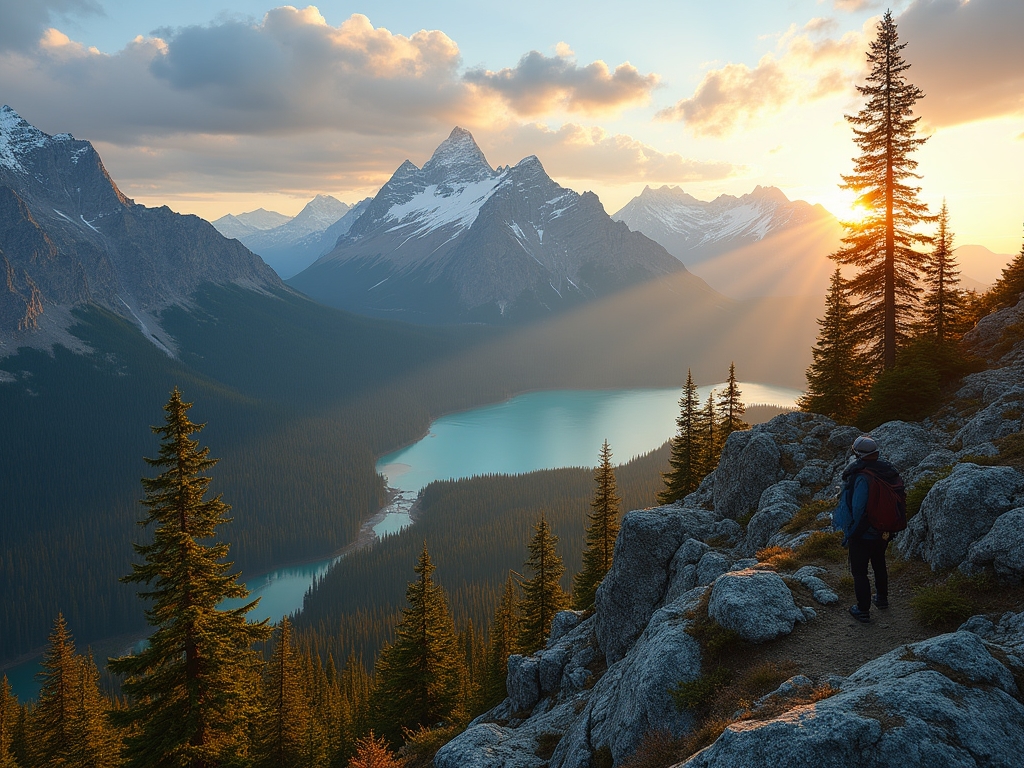
Community Impact & Field Reports
Real stories from our community members showing how shared knowledge creates safer, more responsible wilderness experiences.
Early Season Trail Assessment: Skyline Trail
Prevented potential accidentsAfter an unusually heavy spring snowfall in Jasper National Park, TrailKindred member Michael reported dangerous avalanche conditions on the Skyline Trail's Notch Pass. Park authorities were alerted and temporarily closed the section, preventing potential accidents for 14 hiking groups who had planned to traverse the area that weekend.
Michael's detailed assessment included snow depth measurements, temperature readings, and high-resolution images of cornices that helped officials make an informed decision within hours of his report submission.
Read Full ReportWildlife Encounter Protocol: Moose with Calves
Successful wildlife coexistenceCommunity member Sarah documented a proper wildlife encounter with a mother moose and two calves on the Gros Morne Mountain Trail. Following our community guidelines, she maintained a safe distance of over 100 meters, used her zoom lens for photography, and guided other hikers to an alternate route until the animals moved on naturally.
Her field report included behavioral observations that have since been incorporated into our wildlife safety protocols, emphasizing the importance of patience and non-interference during the calving season.
Read Full ReportTrail Restoration Initiative: Plain of Six Glaciers
Environmental impact reductionA collaborative effort led by TrailKindred members identified severe trail braiding on the Plain of Six Glaciers route in Banff. Our community organized three volunteer days working alongside Parks Canada staff to restore vegetation and clearly mark the official trail. Post-restoration monitoring shows a 78% reduction in off-trail hiking and significantly less erosion during spring runoff.
This initiative has become a model for our "Adopt a Trail" program, where community members take responsibility for monitoring and reporting conditions on specific routes throughout the hiking season.
Read Full ReportLatest Seasonal Guides
Our comprehensive seasonal guides provide essential information for planning your next backcountry adventure in Canada's most beautiful national parks.
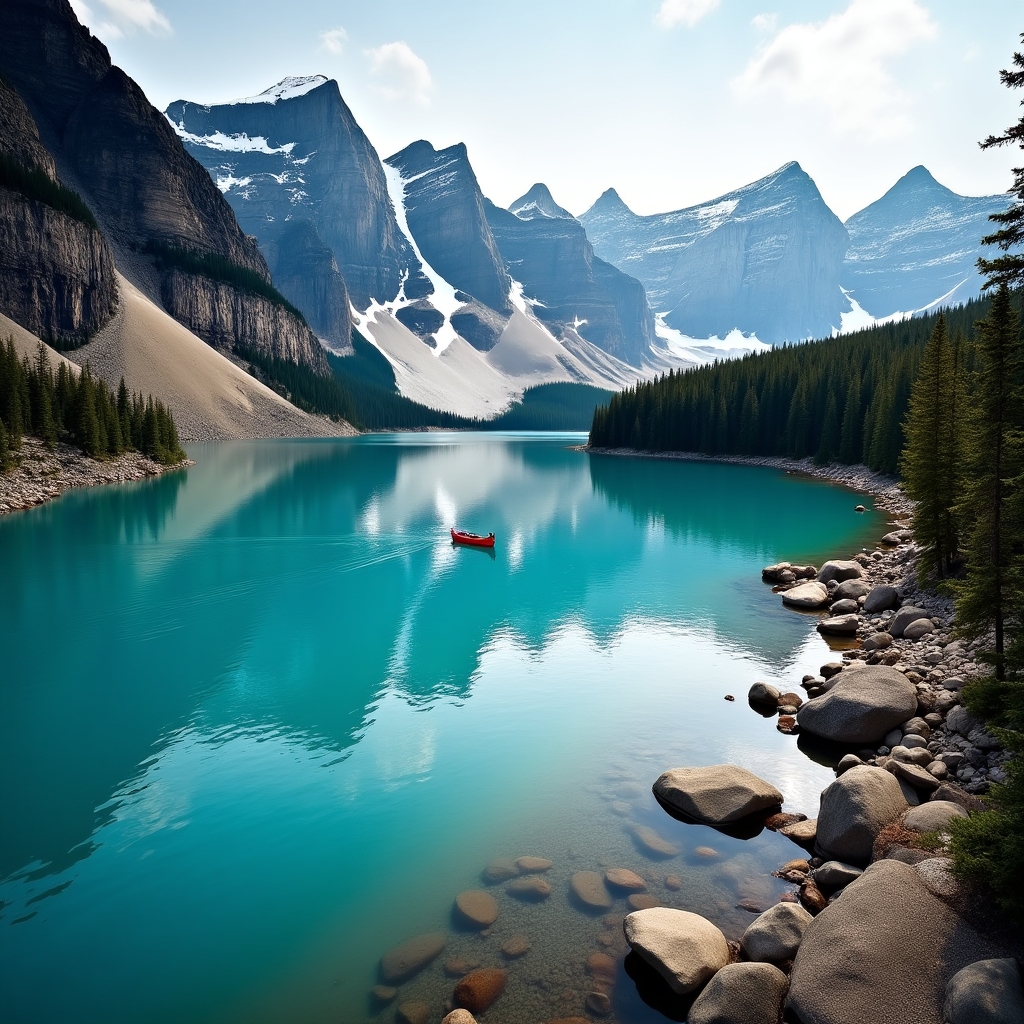
Banff National Park: Summer 2026
Our summer guide for Banff covers the peak hiking season from June through September. Discover alpine meadows in full bloom, crystal-clear lakes, and spectacular glacier views. This guide includes:
- Top 10 backcountry routes with difficulty ratings
- Campsite availability and reservation tips
- Bear activity reports and food storage protocols
- Special focus on the Lake O'Hara and Egypt Lake regions
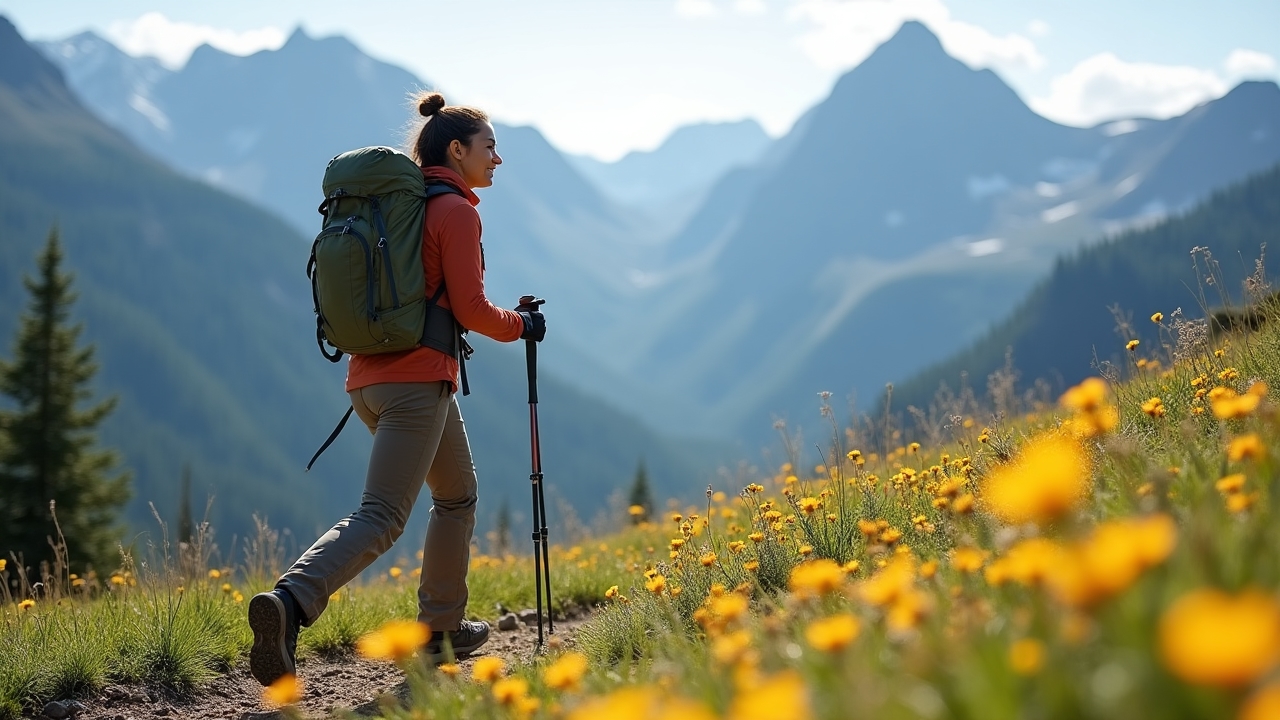
Jasper National Park: Early Season 2026
Planning a spring adventure in Jasper? Our early season guide covers May through mid-June when trails are emerging from winter but higher elevations remain snow-covered. This specialized guide includes:
- Snowpack reports and river crossing conditions
- Avalanche risk assessment for high routes
- Wildlife activity during spring emergence
- Equipment recommendations for variable conditions
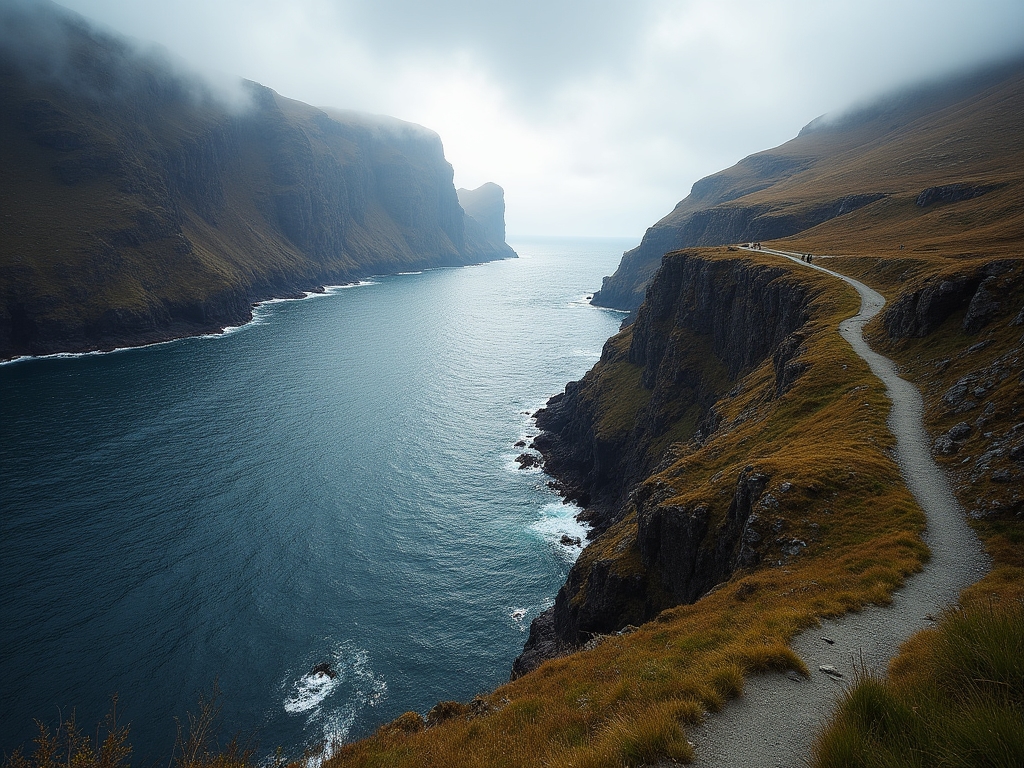
Gros Morne National Park: Fall 2026
Experience the spectacular fall colors and solitude of Newfoundland's premier national park. Our autumn guide covers September through late October and features:
- Coastal trails with whale migration viewing opportunities
- Fall foliage progression and photography spots
- Weather pattern analysis and preparation tips
- Long-range traverse planning with reduced services
Trail Conditions Snapshot
Current conditions reported by our community members within the last 7 days. Remember that mountain weather changes rapidly - always check the latest updates before heading out.
| Trail Name | Park | Status | Last Updated | Notes |
|---|---|---|---|---|
| Skyline Trail | Jasper | Open | June 12, 2026 | All snow melted at The Notch. Creek crossings manageable. Bear activity reported near Curator campsite. |
| Plain of Six Glaciers | Banff | Caution | June 14, 2026 | Trail muddy in sections. Rockfall observed near teahouse. Extra caution advised. |
| Berg Lake Trail | Mount Robson | Closed | June 10, 2026 | Closed due to bridge washout at kilometer 7. Repairs estimated to take 2 weeks. |
| Gros Morne Mountain Trail | Gros Morne | Open | June 13, 2026 | Clear conditions. Fog frequently rolls in during afternoons. Allow extra time for descent. |
| Tonquin Valley | Jasper | Caution | June 11, 2026 | Trail very muddy. Horse traffic has created deep ruts. Amethyst Lakes area has high mosquito activity. |
| Long Range Traverse | Gros Morne | Open | June 15, 2026 | All backcountry campsites operational. Navigation test currently required at visitor center before departure. |
Wildlife Safety Quick Tips
Canadian parks are home to diverse wildlife including bears, moose, wolves, and cougars. These quick tips will help you coexist safely with these magnificent animals.
Make Noise
Sing, clap, or talk loudly while hiking, especially in dense vegetation or near loud streams. This gives animals time to move away before you surprise them.
Carry Bear Spray
Keep bear spray accessible (not in your pack) and know how to use it. It's effective for bears, moose, and other large mammals if they charge.
Hike in Groups
Travel in groups of 4 or more when possible. Most wildlife attacks occur with solo hikers or pairs. More people create more noise and presence.
Proper Food Storage
Use designated bear lockers or hang food properly (4m high, 3m from trunk). Never store food, toiletries, or scented items in your tent.
Keep Your Distance
Stay at least 100m from bears and wolves, 30m from elk and moose. Use binoculars or zoom lenses for photos instead of approaching.
Dawn & Dusk Awareness
Be especially cautious during early morning and evening hours when animals are most active. Consider timing hikes during midday.
Leave No Trace Principles
At TrailKindred, we're committed to preserving the wilderness for future generations. Following these seven principles helps minimize our impact on these precious ecosystems.
Plan Ahead & Prepare
Research regulations, weather, and terrain to minimize risk and impact. Prepare for extreme weather, hazards, and emergencies.
Travel on Durable Surfaces
Stick to established trails and campsites. In pristine areas, spread out to prevent creating new trails. Walk on rock, gravel, dry grass or snow.
Dispose of Waste Properly
Pack out all trash and leftover food. Deposit human waste in catholes 6-8 inches deep, 200 feet from water, camp, and trails.
Leave What You Find
Preserve the past: examine but don't touch cultural artifacts. Leave rocks, plants, and natural objects as you found them.
Minimize Campfire Impact
Use a lightweight stove for cooking. Where fires are permitted, use established fire rings, keep fires small, and burn wood completely to ash.
Respect Wildlife
Observe wildlife from a distance. Never feed animals, which damages their health and alters natural behaviors.
Be Considerate of Others
Respect other visitors and protect the quality of their experience. Let nature's sounds prevail; avoid loud voices and noises.
How to Share a Trail Report
Your field observations help keep our community informed and safe. Here's how you can contribute your trail experiences to TrailKindred.
1. Document Your Journey
While on the trail, take note of important conditions: water source availability, snow levels, muddy sections, wildlife sightings, hazards, and campsite conditions. Photos with GPS coordinates are extremely valuable.
Pro tip: Use our offline mobile form to record details as you go, even without cell service.
2. Submit Your Report
Once back in service range, submit your observations through our contact form below or via email. Include the trail name, date hiked, and your experience level to help others contextualize your report.
We especially value detailed information on water crossings, technical sections, and navigation challenges.
3. Engage With Feedback
After submission, our volunteer moderators may reach out with questions to clarify details. Your report will be published within 24-48 hours, and you'll receive a notification when it's live.
Stay engaged with comments from community members planning trips based on your information.
Explore Our Resources
Dive deeper into our specialized guides designed to help both beginners and experienced hikers navigate the Canadian wilderness safely and responsibly.
Getting Started Guide
New to backcountry hiking in Canadian parks? Our comprehensive getting started guide covers everything you need to know before setting out on your first wilderness adventure:
- Essential gear recommendations for Canadian conditions
- Detailed planning process for backcountry trips
- Permit requirements and reservation systems
- Navigation skills and tools for wilderness travel
- Seasonal considerations for different parks
Common Mistakes to Avoid
Even experienced hikers can fall into common traps when exploring new wilderness areas. Our guide to common mistakes helps you avoid the pitfalls that park rangers and rescue teams see most frequently:
- Planning oversights that lead to emergencies
- Equipment failures and how to prevent them
- Navigation errors in challenging terrain
- Wildlife encounter mistakes and misconceptions
- Leave No Trace principles most commonly violated
Join Our Community
Have a question, trail report, or want to get involved? Reach out to us using the form below. We typically respond within 24-48 hours.